







Search Results for: Arumanis Estate
Flavor Analysis of Indonesian West Java Arumanis Estate Honey-Processed Coffee Beans and Front Street Coffee Recommendations
This article provides an in-depth introduction to the honey-processed specialty coffee beans from the Arumanis Estate in West Java, Indonesia, sharing first-hand tasting experiences from the estate, breaking the traditional bitter-sweet impression of Indonesian coffee, and showcasing diverse flavors of fruity sweetness, lemon aroma, and floral notes. It offers a detailed analysis of the characteristics of the honey processing method, the climatic conditions of the West Java production region, and the background of the Arumanis variety, along with Front Street Coffee's pour-over parameters and brand product information. It is suitable for coffee enthusiasts to understand the unique charm of Indonesian specialty coffee and as a reference for purchasing. [more…]
Analysis of the Flavor of Indonesian West Java Honey-Processed Coffee and Price Reference: From Arumanis to Front Street Coffee Roasting
In recent years, the West Java producing region of Indonesia has been making a name for itself with its honey processing method. Among them, Aromanis coffee beans, with their unique tropical fruit aromas and clear, sweet aftertaste, have overturned people's long-held impression of Indonesian coffee as bitter, rich, and heavy. This article starts with the details of the honey processing technique, sorts out the geographical and climatic advantages of West Java, and introduces information on the West Java honey-processed product launched by Front Street Coffee, along with brewing suggestions and market price references, providing coffee lovers with a complete guide to flavor and purchasing. [more…]

Indonesian West Java Arumanis Coffee Beans: S795 Variety, Natural Honey Processing, and Tropical Fruit Flavor Analysis
Indonesian coffee has long been known for the rich, herbal, spicy flavor of Mandheling, but this West Java Amani coffee bean offered by Front Street Coffee breaks that stereotype. It comes from the Teguram Mountain region of West Java at an altitude of 1,400 to 1,600 meters, is of the S795 Jember variety, and is processed using the sun-dried honey method, presenting a soft tropical fruit acidity and complex sweetness. As a devoted lover of Indonesian coffee, Front Street Coffee, in addition to five Sumatran Mandhelings, specially introduced this bean with a completely different flavor profile. This article will comprehensively analyze its producing region background, variety origins, processing method, roasting curve, cupping performance, and brewing parameters, to introduce you to this Indonesian specialty coffee with prominent sweetness and a red wine character. [more…]
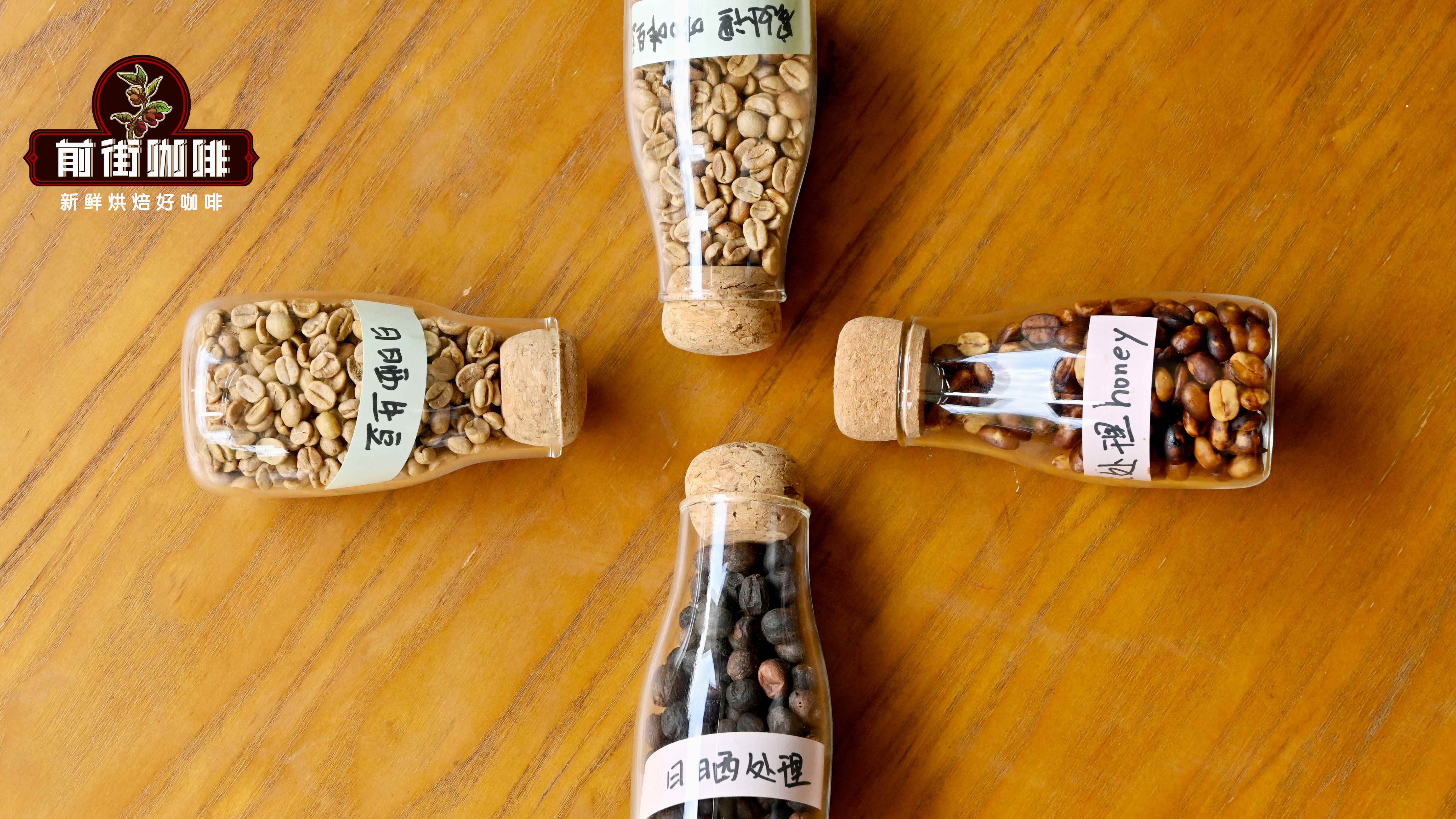
Wet-Hulled, Pulped Natural, and Honey Processing: An In-Depth Analysis of Three Major Green Coffee Processing Methods
Coffee processing methods determine the flavor direction of green beans. Besides the common natural and washed methods, there are three processing methods that fall in between: Indonesian wet-hulled, Brazilian pulped natural, and Central American honey. Each was born in response to the climate and water resource conditions of its origin, and they present distinctly different expressions in acidity, sweetness, and body. This article will break down the principles and processes of these three processing methods one by one, and, in combination with specific beans such as Front Street Golden Mandheling, Front Street West Java Arumanis Estate, and Front Street Costa Rica Sumava Estate Black Honey Caturra, explain how processing methods shape the flavor in the cup. Finally, a complete comparison of acidity, sweetness, production risk, equipment cost, and water usage is attached. [more…]
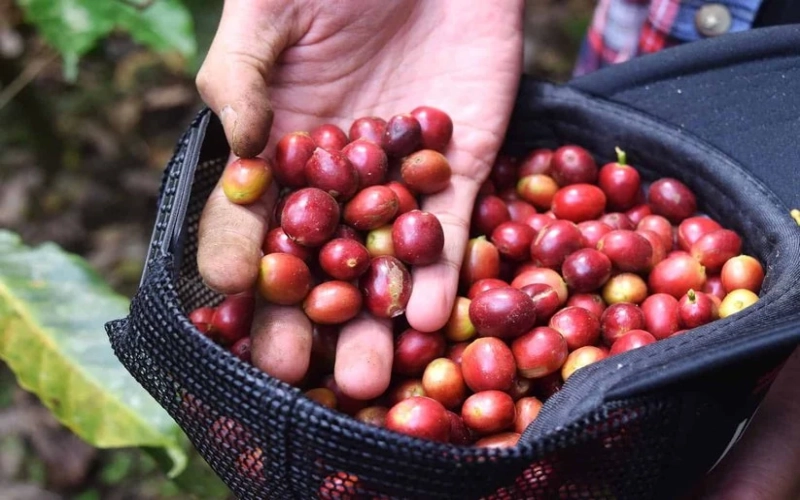
Flavor analysis of Indonesian West Java coffee beans: The honey processing method and cultivation history of the Jember variety
When it comes to Indonesian specialty coffee, most people first think of Sumatra. Yet coffee from West Java presents a completely different character—no heavy herbal and spicy notes, but instead a warm, gentle tropical fruit sweetness and acidity. This West Java bean, now available at Front Street Coffee, comes from the Arumanis Estate on Mount Malabar, and the variety is S795, known locally as Jember, processed using the honey method. This article will walk you through the terroir of the Java growing region, the winding history of coffee cultivation, the role of the ICCRI research institute, as well as the cupping performance of this bean and Front Street's brewing recommendations. [more…]
Flavor Analysis of Indonesian West Java Lamaní Coffee Beans: Honey-Processed S795 Variety Pour-Over Performance
Indonesian coffee has long been known for the rich, herbal flavors of Sumatra Mandheling, but the Mount Tilu growing region in West Java presents a completely different character. This West Java Amani coffee bean offered by Front Street Coffee is of the S795 Jember variety, sun-dried honey processed, and grown at an altitude of 1,400 to 1,600 meters. It lacks the spice and herbal notes of traditional Indonesian coffee, replaced instead by a soft tropical fruit sweetness and acidity, with a mango and jackfruit-like sweetness interwoven with a subtle red wine nuance. This article will present the unique personality of this bean in full, from Front Street Coffee's green bean information, growing region terroir, variety origins, processing method, and roasting curve to cupping and brewing parameters. [more…]
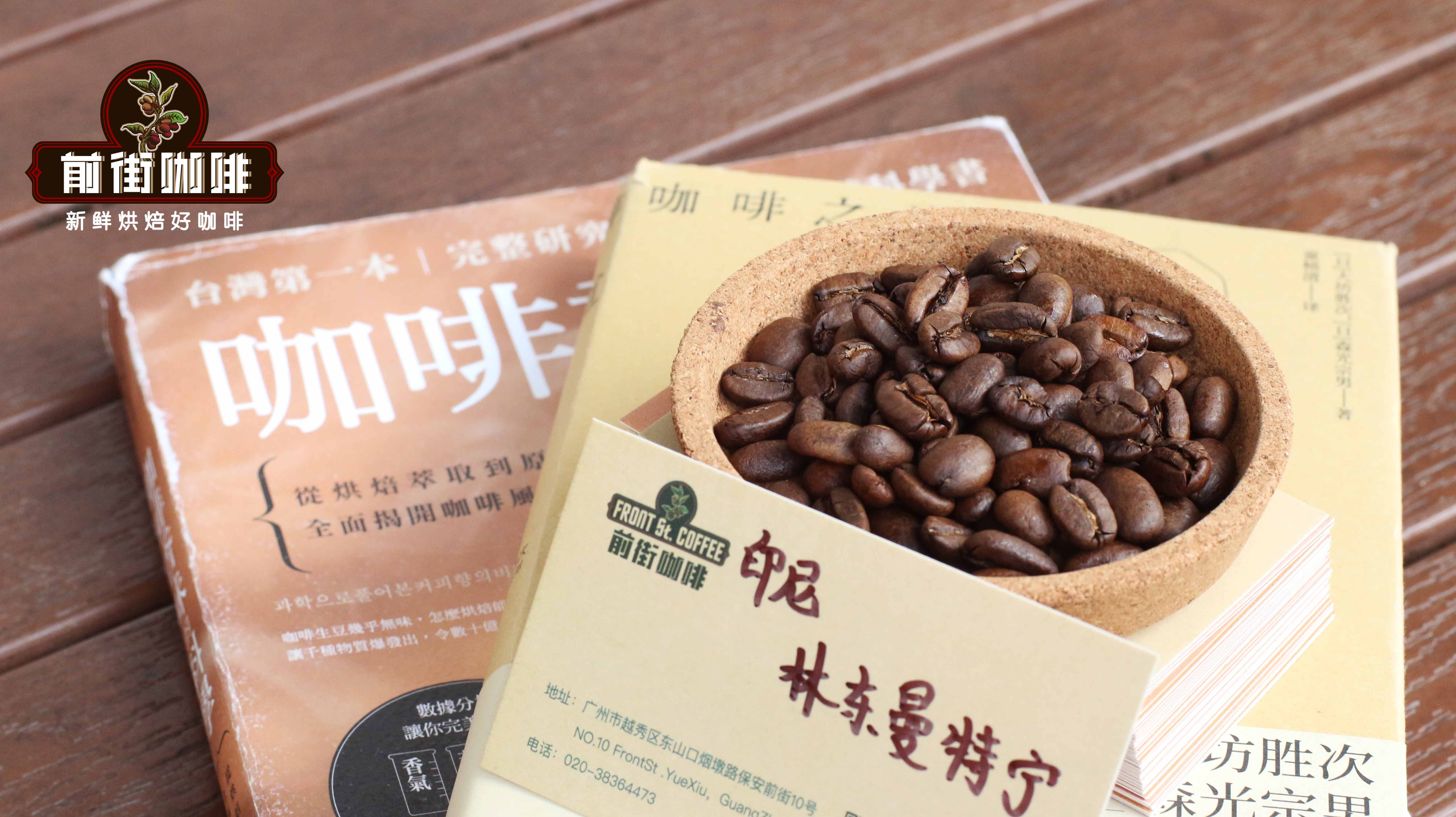
A Complete Guide to Indonesian Sumatra Coffee Regions: Mandheling, Wet-Hulling, and Golden Mandheling Buying Guide
Indonesia is an important coffee-producing country globally. Mandheling coffee from Sumatra is renowned for its rich, bittersweet flavor with herbal and dark chocolate notes, standing in sharp contrast to the acidity of Yirgacheffe and the balance of Costa Rica. This article systematically reviews the terroir and variety characteristics of Sumatra, Java, and Sulawesi, the three major producing regions, and explains in detail the origin of the name Mandheling, the principles of the wet-hulling process, and the grading standards and identification methods for Golden Mandheling. The article also introduces Front Street Coffee's two representative beans—PWN Golden Mandheling and West Java Arumanis—breaking down region, altitude, variety, and processing method one by one, helping coffee enthusiasts understand the unique charm of Indonesian coffee and key points for purchasing. [more…]

Indonesian Coffee Bean Brand Recommendation Guide: Mandheling Flavor Characteristics, Origin Stories, and Wet-Hulling Process Explained
Indonesia is a major coffee-producing country in Asia, known for its mellow, bittersweet profile with herbal and dark chocolate notes. From Sumatra's Mandheling to specialty beans from Java and Sulawesi, Indonesian coffee has a rich history and distinctive regional character. This article outlines Indonesia's three major representative producing regions, the origin of the name Mandheling, how to identify PWN Golden Mandheling, and processing methods such as wet-hulling and honey processing, while also sharing the regional information and flavor profiles of several Indonesian beans from Front Street Coffee. Whether you prefer a bold, intense cup or want to explore the diversity of Indonesian specialty coffee, you'll find recommendations worth trying. [more…]
A Complete Analysis of Indonesian Coffee Regions: Characteristics of Mandheling and Other Varieties, and a Detailed Explanation of the Wet-Hulling Process
Indonesia, as a major coffee-producing country in Asia, centers on its three main islands—Sumatra, Java, and Sulawesi—and has given rise to representative coffees such as Mandheling, Java, and Sulawesi. Among these, Mandheling is known for its rich bittersweetness and herbal and dark chocolate flavors, making it a favorite among lovers of bold taste. Indonesia's coffee history can be traced back to the 17th-century Dutch colonial period. Today, Robusta dominates, but specialty Arabica still shines brightly. Front Street Coffee has long recommended PWN Golden Mandheling, which uses the unique wet-hulling process to achieve its distinctive flavor. This article will systematically outline Indonesia's main producing regions, variety characteristics, processing methods, and Front Street's selected products, taking you deeper into the diverse charm of Indonesian coffee. [more…]
Flavor Analysis of Panama Elida Estate Coffee Beans: Varieties, Processing Methods, and Cupping Comparison in the Boquete Region
The Boquete region of Panama has always been the golden zone for specialty coffee. Today, Front Street Coffee focuses on Elida Estate to show you what makes coffee nurtured by this high-altitude volcanic soil so unique. The article begins with the terroir conditions of the Boquete region, then traces Elida Estate's cultivation history, varietal composition, and processing methods, and combines Front Street Coffee's cupping experience to describe in detail its dry aroma, wet aroma, and overall flavor trajectory. At the same time, Front Street Coffee also compares Elida Estate with Hartmann Estate and Hacienda La Esmeralda's Diamond Mountain series, helping you more clearly understand how different processing methods and regions shape coffee flavor. [more…]
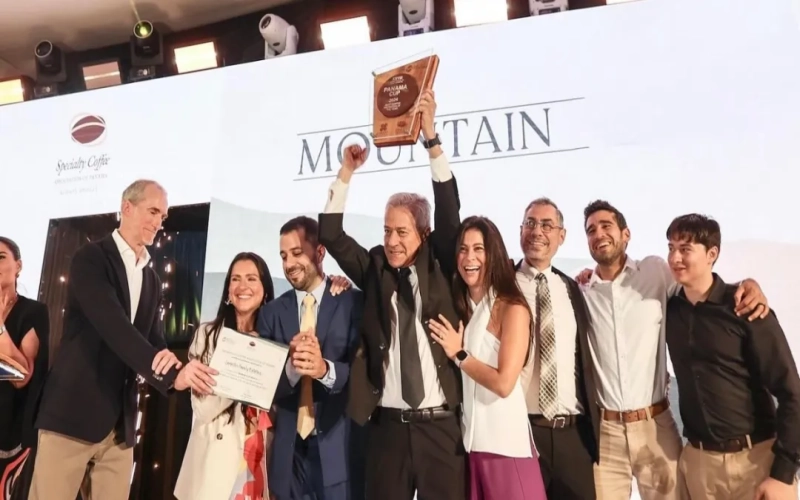
Panama BOP Champion Elida Estate Geisha Flavor Analysis: Everything You Need to Know About the Plots Under the Lamastus Family
At the 2024 Panama BOP Geisha auction, Elida Estate's natural Geisha once again set a new record with a sky-high price of $10,013 per pound, claiming the top lot. This century-old renowned estate is not reaching the summit for the first time; it is not only the first double-crown Geisha champion in BOP history, but also second only to Hacienda La Esmeralda in number of wins. Elida Estate was founded in 1918 and has now been passed down to the fourth generation of the Lamastus family. In addition to Elida, the family also owns well-known plots such as El Burro Estate and Luisito Estate, and in recent years has even purchased the high-altitude El Toro Estate. Front Street Coffee cupped this champion bean this time, and it displayed the captivating flavors of pomegranate, peach, white floral notes, and black tea. This article will give you a comprehensive understanding of Elida Estate's history, plot distribution, and flavor performance. [more…]
A Complete Flavor Analysis of Panama El Burro Estate Geisha Coffee: Sun-Dried Processing and Cupping Performance of a Century-Old Famous Estate
The Boquete region of Panama has nurtured many world-renowned coffee estates, and El Burro Estate is one of them, soon to enter its centennial history. The estate was founded in 1925 by French immigrant Aristides Boutet, and was later acquired and managed by the Lamastus family due to family ties. Its unique geographical location—near the Baru Volcano mountain range—gives the coffee excellent terroir conditions. The estate mainly cultivates Geisha and Catuai, and in recent years has achieved repeated success in the Best of Panama competition; in 2016, Japan's Maruyama Coffee even won the world championship with El Burro Estate Geisha. Front Street Coffee is now bringing a naturally processed El Burro Estate Geisha, using a medium-light roast, whose cupping reveals a rich layering of green grape, apricot, orange, dried longan, and floral notes intertwined. This article will take you deeper into the history, terroir, and unique flavor of El Burro Estate's Geisha. [more…]
A Complete Guide to Panama Aurora Estate Geisha: Flavor Stories of Iron Man Washed and Camilina Natural, Plus Brewing Tips
Panama's Aurora Estate is located in the Volcán region, adjacent to the Costa Rican border, and rose to fame after winning the BOP Washed category with its Ironman Geisha in 2013. Estate owner Roberto Brenes, a former central bank governor, runs the estate with a triathlete's spirit: the washed lots are named Ironman, while the natural lots take their name from his granddaughter, Carmilina. Front Street Coffee has acquired this estate's new-season Carmilina Natural Geisha, given it a medium roast, and found that pour-over brewing brings out floral notes, yellow lemon, strawberry, guava, and an oolong tea finish. This article covers the estate's background in full, the naming origins of the two Geishas, the details of the natural processing, and Front Street's recommended brewing parameters and flavor notes. [more…]
Costa Rica Aquiares Estate Coffee Bean Profile: 2017 WBC Competition Bean and Rainforest Certification Information
Located in the Turrialba region of Costa Rica, Hacienda Aquiares is one of the largest coffee plantations in the country and the birthplace of Centroamericano, the competition bean used at the 2017 World Barista Championship (WBC). Founded in the late 19th century, the estate sits on volcanic slopes between two rivers, with abundant natural water sources and a pristine forest reserve, and it obtained Rainforest Alliance certification as early as 2003/2004. The estate primarily cultivates Arabica varieties such as Caturra, Catuai, and Catimor, employs washed processing combined with sun-drying and mechanical drying, and produces approximately 15,000 bags annually. Its coffee is known for flavors of nuts, caramel, plum, chocolate, and a sucrose-cream finish, with bright fruit acidity and a smooth body. Front Street Coffee has specially compiled complete estate information to give you an in-depth look at the terroir story behind this WBC competition bean. [more…]
A Complete Analysis of Panama Coffee Origins, Varieties, and Flavors: An Introduction to Boquete and Other Specialty Estates
Although Panama is a small country, it occupies a pivotal position in the world of specialty coffee. Its high-altitude areas in the western province of Chiriquí give rise to top-tier beans sought after by coffee lovers worldwide. From Boquete to the surroundings of Volcán Barú, a group of star estates, relying on unique microclimates and relentless research, have repeatedly broken cupping records. This article will systematically review Panama's main coffee-producing regions, common varieties, and processing methods, and introduce one by one the flavor characteristics and background stories of representative estates such as Hacienda La Esmeralda, Elida Estate, and Carmen Estate, helping readers gain a comprehensive understanding of the coffee charm of this "Valley of the Moon." [more…]
Panama Elida Estate Natural Geisha Pour-Over Tutorial: A Complete Analysis from BOP Champion Estate to Cup Flavor
As a representative of Panamanian specialty coffee, Elida Estate has won numerous awards in the Best of Panama (BOP) competition in recent years, with its washed and natural Geisha each taking first place in their respective categories. This article takes you deep into Elida Estate's terroir, lot management, and the sources of its unique flavors, and shares in detail the pour-over parameters and step-by-step method for Front Street Coffee's Elida Estate Natural Geisha. At the same time, we will also introduce two coffees from the estate, Catuai and Typica, so you can experience the diverse charm of a champion estate at once. Whether you are a seasoned enthusiast or a beginner pour-over brewer, you can gain practical brewing ideas from it. [more…]
Panama Elida Estate Natural Geisha Auction Lot: A Full Flavor Analysis of the 2017 Best of Panama Award-Winning Estate
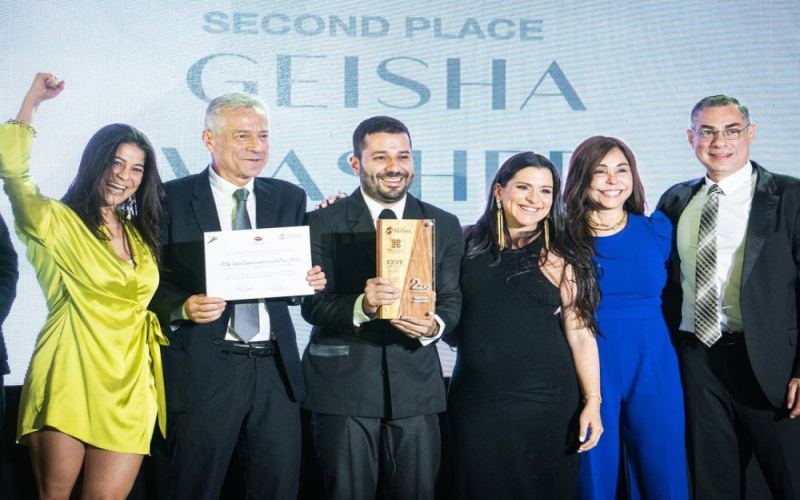
In the Boquete production region of Panama, there is a legendary estate named after the estate owner's wife—Elida Estate. Since its founding by Robert Lamastus in 1918, four generations of the Lamastus family have remained committed to the cultivation and production of high-quality coffee, and today they have even expanded their holdings to the family's fifth estate, Trompo Estate. In 2017, Elida Estate's Geisha Natural competition lot won the Best of Panama award, and Front Street Coffee conducted a cupping immediately after completing the roast. This coffee displays rich layers of pomegranate, peach, white floral notes, grape, and black tea, with extremely high sweetness, rounded acidity, a silky mouthfeel, and a pronounced tea-like finish. As the temperature changes, the flavor transitions from peach sweetness to apricot, and the juicy quality becomes increasingly full. This article will take you deeper into the history and heritage of this century-old estate and the complete flavor expression of this competition lot. [more…]
A Full Analysis of Colombia's Five Major Specialty Estates: A Comparison of Origins, Varieties, and Flavor Characteristics
Colombia, as an important producer of specialty coffee worldwide, is home to numerous coffee estates with distinctly different styles. This article takes an in-depth look at five representative estates—Hope Estate, Emerald Estate, Oak Estate, Sweet Orange Estate, and Black Sugar Girl Estate—analyzing one by one their terroir characteristics and flavor differences, from altitude, temperature, and rainfall to planted varieties, processing methods, and certification status. Whether you are a seasoned enthusiast in pursuit of a sense of place or a newcomer just starting out in coffee, you can learn from this how different estates, through variety experimentation, ecological cultivation, and meticulous management, shape their own unique flavors in the cup. Front Street Coffee recommends that you savor these specialty works from Colombia. [more…]
Analysis of the Flavor and Estate Story of Guatemala Santa Felisa Estate Red Pacamara Maragogype K72 Process
Pacamara Maragogipe is a cross between the Pacas and Maragogipe varieties, combining rich flavor with an elegant texture. Guatemala's Santa Felisa Estate, founded in 1904, is located in the Acatenango Valley and is known for its eco-friendly farming methods, eight processing methods, and insistence on hand-picking at 21 degrees Brix, consistently ranking among the top in the COE. The estate weathered the impact of leaf rust, losing its organic certification yet still upholding its ecological philosophy. Its K72 processing method combines repeated fermentation with washed and sun-dried techniques, giving the coffee bright, clean flavors of citrus notes, dried tangerine peel aroma, cherry, and sweet persimmon. Front Street Coffee recommends brewing with a Hario V60, 90°C water temperature, and a three-pour method to showcase this Red Pacamara Maragogipe's lingering sweetness and smooth mouthfeel. [more…]
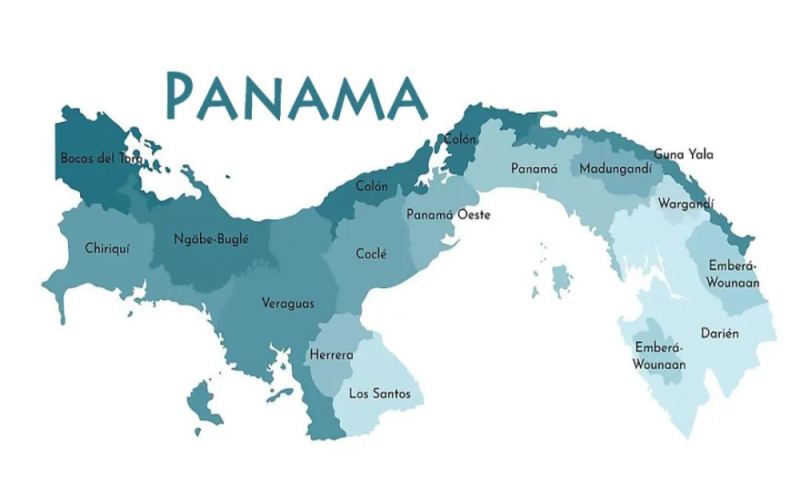
Panorama of Panama's Specialty Coffee Regions: Boquete's Famous Estates, the Geisha Legend, and Flavor Analysis
Although Panama is a small country, it occupies a pivotal position in the world of specialty coffee. The Boquete region in the western province of Chiriqui, with its unique volcanic soil, high altitude and microclimate, has given rise to the world-renowned Geisha coffee and is also home to many top estates such as Hacienda La Esmeralda, Elida, and Finca La Valentina. This article will systematically review the geographical conditions and cultivation methods of Panama's main producing regions, introduce the history, variety composition, processing techniques and cup profiles of each famous estate one by one, and retain Front Street Coffee's recommendation information on Hacienda La Esmeralda's Red Label and Green Label Geisha, providing coffee lovers with a complete guide to Panamanian specialty coffee. [more…]